If you use Xero regularly, you already know the hardest part is not getting access to financial data. The harder part is turning that data into reporting you can trust, update easily, and use without rebuilding everything every month.
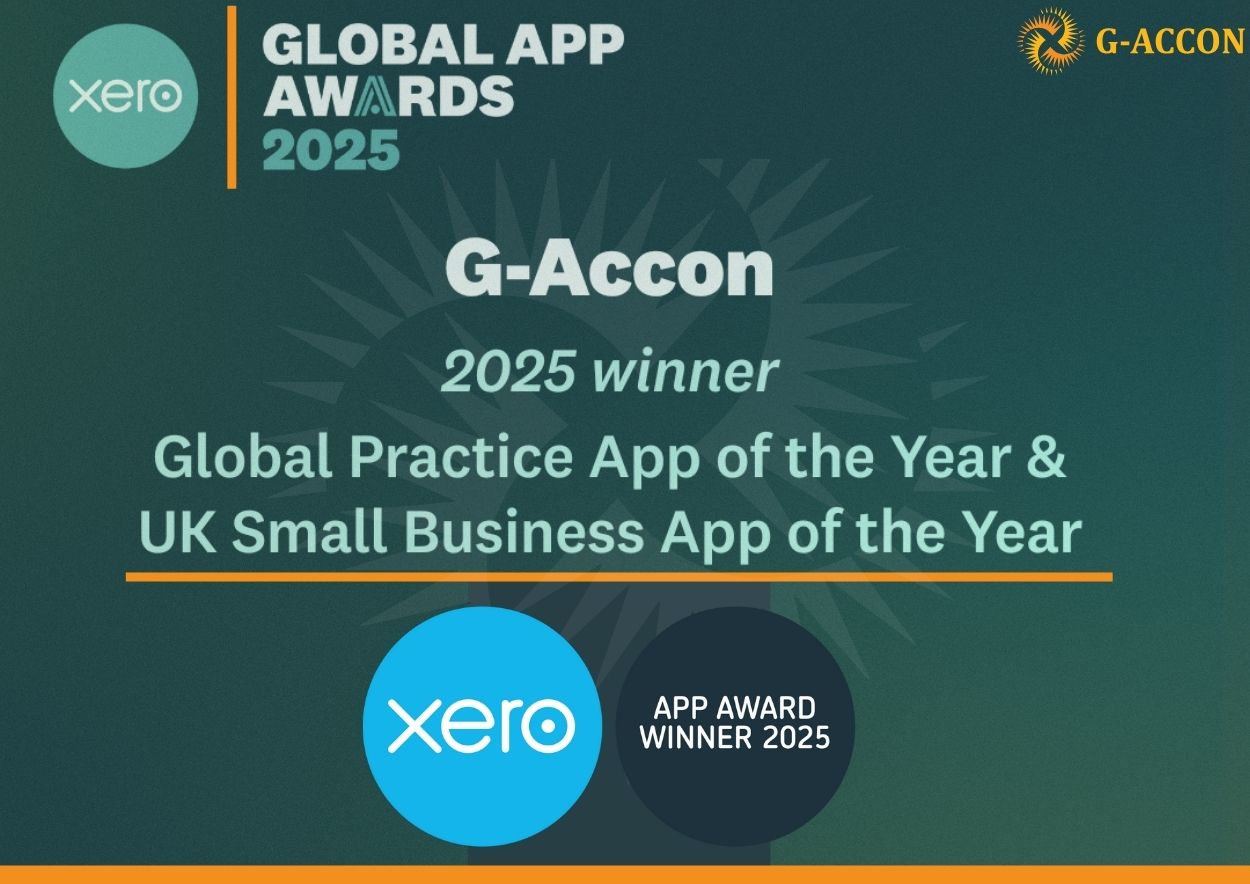
- Global Practice App of the Year
- UK Small Business App of the Year
These awards celebrate apps that deliver clear value inside the Xero ecosystem, and they point to something practical. Xero is recognizing tools that help businesses and practices do everyday work with less friction and more confidence.
The timing is also important. Moving into 2026, finance teams are under more pressure to report faster, explain numbers clearly, and respond to questions without delays, and that pressure usually exposes the weak points in a reporting workflow.
The reporting problem most Xero users quietly deal with
Most accounting practices and small businesses are not short on software, but on time, consistency, and confidence in the reporting process.
Financial data usually lives inside Xero, while reporting lives somewhere else, often in spreadsheets that have been built over time, adjusted repeatedly, and shared across teams. These spreadsheets can be useful, and most people keep using them because they are flexible and familiar, but the process around them often becomes fragile.
That fragility shows up in small ways at first. Someone exports numbers, pastes them into a template, checks the totals, then realizes one report needs a different date range or a slightly different grouping.
Then someone else opens a copy of the spreadsheet, edits a formula, and saves it with a new version name. A day later, another person uses an older version without realizing it. Nothing about this feels dramatic, but over time, it creates a pattern of slow reporting and constant double-checking.
The problem is not spreadsheets. The problem is the gap between live accounting data and the reports people rely on to make decisions.
As businesses grow and practices manage more clients, that gap becomes harder to manage. A workflow that worked when reporting was simple starts breaking when deadlines tighten, client expectations rise, or leadership wants faster answers.
Where G-Accon fits into that gap
G-Accon addresses the space where most reporting workflows struggle, which is the space between accounting systems and spreadsheet-based reporting.
Many teams already have reporting structures they trust. They have management report templates, forecasting sheets, budget trackers, and board packs that work for them, and the structure is not what holds them back. What holds them back is the ongoing maintenance, because keeping those reports current often depends on manual exports, copy-paste work, and a lot of “hope nothing breaks” steps.
This gap becomes even more visible when teams look at year-to-date reporting. Numbers change constantly as new transactions come in, yet many reports still rely on static exports that need to be rebuilt or refreshed by hand. Over time, this creates delays and small inconsistencies that chip away at confidence in the data.
G-Accon helps close that gap by keeping spreadsheets connected to live Xero data, which allows teams to maintain accurate, continuously updating reports without reworking their structure each month. This approach is especially useful for finance teams and practices that rely on dynamic year-to-date accounting reports to track performance, monitor trends, and make decisions based on numbers they can trust.
This matters because once you reduce manual work, reporting changes in a very practical way. Teams spend less time reconciling numbers, less time checking whether an export is “the latest one,” and more time reading the results and explaining what is happening in the business.
Why this matters for accounting practices
Winning Global Practice App of the Year highlights a specific challenge practices face when they scale. A practice is not just doing reporting for one company. It is managing reporting across multiple clients, each with their own priorities, styles, and timelines, while still needing consistent quality and fast turnaround.
Manual reporting does not scale well in that environment. It increases dependency on certain team members, it raises the risk of mistakes during busy periods, and it makes it harder to standardize outputs in a way that still feels personal to each client.
Even when the team is strong, manual reporting creates a hidden cost because it consumes time that could be used for advisory work, process improvement, or deeper client support.
G-Accon supports practices by helping them keep their reporting structures consistent while reducing repetitive tasks that slow teams down. It also supports the kind of repeatable workflow practices need, because the best practice systems are the ones that still hold up when the team is busy, deadlines pile up, and the work has to move even when one person is out.
That is why recognition at a global level matters. It is not just a compliment; it signals that the product fits into real practice operations and supports the kind of work practices are expected to deliver.
Why this matters for UK small businesses
The UK Small Business App of the Year award reflects a different, but equally important, reality. Small businesses need clarity and control over their numbers, but they often operate with limited time and limited room for slow manual processes.
When reporting becomes inconsistent, decisions get delayed. When reports take too long to prepare, teams start avoiding deeper analysis and stick to surface-level checks. You will still run the business, but you will do it with less visibility than you should have, which is a risky place to be when you are planning growth, managing costs, or trying to stay ahead of cash flow issues.
Many small businesses also rely on spreadsheets for planning because spreadsheets allow them to model decisions in a way dashboards do not always support. They want to compare budget versus actuals, they want to track year-to-date trends, and they want to explore what happens if sales dip or expenses rise. That flexibility is useful, but it only works when the underlying numbers are accurate and kept up to date.
G-Accon helps reduce the manual friction, so those spreadsheet-based workflows stay useful rather than becoming a monthly headache. It supports a cleaner, more dependable path from accounting data to reporting and planning, which is exactly what many small businesses need as they head into a new year.
Why the Xero Global App Awards recognition still matters in 2026
Awards only matter if they reflect problems that continue to exist, and the reporting challenges G-Accon addresses are not tied to a single year.
In 2026, teams will still be under pressure to close reporting cycles faster, explain numbers clearly, and respond to questions without delay. They will still need consistent templates that do not break when someone tweaks one formula, and they will still need reporting workflows that do not depend on one person remembering which export is correct.
As finance teams are asked to do more with fewer resources, reliable reporting becomes less of a “nice-to-have” and more of a standard expectation. This recognition from Xero reinforces that G-Accon is focused on durable workflow needs, not short-term trends, and that is exactly why it stays relevant going into 2026 and beyond.
A shared win with the Xero community
This milestone is also shaped by the people who use G-Accon every day. Reporting tools improve when they are tested under real deadlines, refined through daily use, and shaped by teams who depend on them to get the job done without surprises.
Accounting practices, finance teams, and small business owners tend to be honest when something slows them down, and that kind of feedback is what keeps a product grounded in real work rather than theory. It is also what helps a tool stay useful year after year, because the best improvements usually come from the problems users face repeatedly.
Looking ahead
As we move into 2026, the focus remains simple. Reduce unnecessary manual work, maintain confidence in reporting, and support teams as they grow and adapt to new expectations.
If you are using Xero and find yourself spending too much time exporting data, rebuilding spreadsheets, or checking whether your numbers match what is actually in the accounting system, it may be time to look at a reporting workflow that is easier to maintain and easier to trust.
The awards are a milestone, but the real value shows up in everyday use, month after month, when reporting becomes clearer, faster, and less stressful, and you get to spend more time making decisions instead of fixing reports.